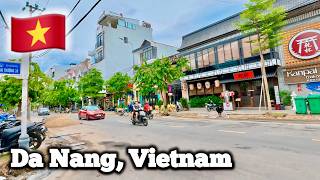
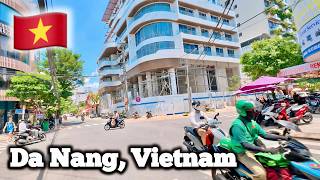
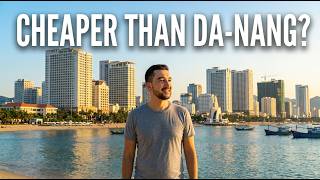
Living in Da Nang offers a unique balance of coastal relaxation and urban convenience, making it one of Southeast Asia's most popular hubs for expats and digital nomads. For those seeking a high quality of life on a manageable budget, the city provides a range of options from frugal $1,000/month lifestyles to luxury beachfront living. Most long-term residents gravitate toward the An Thuong and My An districts for their walkability and proximity to My Khe Beach, though newer developments along the Han River are increasingly popular for those seeking modern amenities and quieter residential streets.
The city's appeal lies in its modern infrastructure, including the newly opened AEON Mall Da Nang, and a thriving culinary scene that spans from 15,000 VND street food to high-end international dining. However, successful relocation requires navigating local realities such as the 90-day e-visa cycle, seasonal humidity, and the rapid pace of construction. Whether you are a retiree looking for a peaceful coastal retreat or a remote worker needing high-speed internet and coworking spaces like Seaview Coworking, Da Nang offers a versatile environment for intentional living.
Cost of Living and Budgeting
Living in Da Nang remains highly affordable compared to Western cities, with a baseline budget of approximately $1,000 per month for a single person. This "floor" budget typically includes a private studio or hotel room, such as those found in Son Tra, for around $340, with the remainder covering food, transport, and health insurance. For a more comfortable mid-range lifestyle, expats should budget between $1,500 and $2,000 per month. This allows for frequent dining at mid-range Japanese izakayas like Umi Town or all-you-can-eat spots like Gyu-Kaku, where meals for two cost roughly $15 to $30. Luxury seekers can find 4,000-square-foot villas in gated communities like Premier Village for approximately $3,800 per month, which often includes management fees for pool and garden maintenance.
Neighborhoods and Housing Logistics
The choice of neighborhood significantly impacts the daily experience of living in Da Nang. An Thuong is the primary tourist and expat enclave, known for its density of cafes and international restaurants, though it is currently undergoing significant road and pavement reconstruction. Across the main road, My An offers a more authentic residential feel with quieter side streets and new developments like the Sun Panoma high-rises. For those preferring river views and a more upscale urban atmosphere, the Hai Chau district and areas near Euro Village provide modern homes and proximity to the city center. When hunting for apartments, many residents recommend using Facebook groups to find current listings. Standard rental terms usually require a two-month deposit, and it is advisable to check for features like AC placement, water pressure, and window insulation to mitigate noise from construction or local events.
Remote Work and Infrastructure
Da Nang is a top-tier destination for digital nomads due to its reliable high-speed internet and growing specialty coffee culture. New venues like Soul Specialty Coffee cater specifically to those needing a workspace with quality espresso. The city's infrastructure is modernizing rapidly; the 2026 opening of AEON Mall brought international brands like Uniqlo and Muji to the city, reducing the need for shopping trips to Ho Chi Minh City or Hanoi. For transportation, most expats rely on motorbikes or ride-sharing apps like Grab and Green SM. While electric scooters are becoming more common, those uncomfortable with standard motorbikes may opt for electric tricycles or stick to the walkable beach districts.
Practical Challenges and Considerations
Prospective residents should be prepared for the "daily friction" that comes with living in a developing coastal city. This includes navigating uneven pavements, managing the intense summer heat, and preparing for the multi-month rainy season. Safety is generally high, though petty crimes like helmet theft or phone snatching on the beach have been noted by long-term residents. Additionally, the current visa landscape requires most expats to manage 90-day e-visa renewals, which often involve "visa runs" to nearby borders. It is highly recommended to visit on a short-term basis during different seasons before committing to a long-term lease to ensure the city's rhythm aligns with your lifestyle goals.
Frequently Asked Questions
How much does it cost to rent an apartment in Da Nang?
Rent varies by location and luxury level. Budget studios can be found for $300 - $400, mid-range one-bedroom apartments in new builds typically cost $600 - $800, and luxury penthouses or villas can range from $1,700 to over $3,800 per month.
Is Da Nang good for digital nomads?
Yes, Da Nang is highly rated for digital nomads due to its affordable cost of living, high-speed internet, and numerous coworking spaces and laptop-friendly cafes, particularly in the An Thuong and My An areas.
What is the best way to get around Da Nang?
Most residents use motorbikes for flexibility. For those who don't drive, ride-sharing apps like Grab and Green SM are affordable and efficient. The beach areas are also relatively walkable, though pavements can be uneven.