Retiring in Da Nang, Vietnam, offers a high quality of life for a fraction of Western costs, with monthly budgets for couples typically ranging from $1,500 to $2,800 depending on lifestyle choices. Retirees are drawn to the city's unique blend of modern infrastructure, accessible beaches like My Khe, and a welcoming expat community. While Vietnam does not currently offer a specific long-term retirement visa, many residents utilize the 90-day e-visa system, which requires periodic renewals but remains a manageable hurdle for those seeking a tropical, slow-paced lifestyle.
For those considering a move, the city provides a "soft landing" due to the high prevalence of English speakers in tourist areas and a robust healthcare system. Facilities like Vinmec International Hospital offer efficient, affordable care with English-speaking staff, making it a viable destination for older adults. Whether you are looking for a luxury high-rise in the city center or a quiet beachfront villa in Son Tra, Da Nang’s rental market caters to various budgets, though prices have seen an upward trend in 2026. This guide explores the practicalities of housing, medical care, and daily expenses to help you determine if Da Nang is the right fit for your retirement years.
The Cost of Living for Retirees in 2026
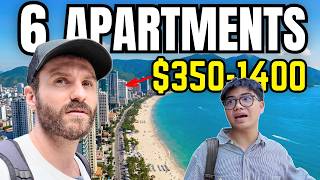
Living comfortably in Da Nang is achievable on a modest budget, but it is important to distinguish between "survival" costs and a fulfilling retirement lifestyle. While some expats report living on as little as $800 to $1,000 a month, a more realistic budget for a retired couple seeking Western amenities is between $1,800 and $2,800. This higher range covers a modern two-bedroom apartment, frequent dining out, and comprehensive health insurance. For example, a luxury apartment in a building like Panoma 1 or Altera Suites can range from $800 to $1,250 per month, while local-style one-bedroom units in the An Thuong area remain available for $400 to $600. Food expenses are highly flexible; local meals like chicken and rice can cost as little as $1.50, whereas a monthly grocery bill including Western imports from Lotte Mart or Moon Milk typically averages around $700 for two people.
Healthcare and Senior Support Services
Healthcare is a primary concern for retirees, and Da Nang excels in providing high-quality, low-cost medical services. Vinmec International Hospital is frequently cited by the expat community for its efficiency and affordable diagnostic services, such as blood tests and X-rays costing under $60. Dental care is another significant advantage; a cleaning and X-ray can cost as little as $8, while major procedures like crowns are roughly $280 - a fraction of the cost in the US or Europe. For those requiring more intensive support, Da Nang has introduced its first private assisted living facility, Thien Tam An. This facility offers various care levels, from independent living to 24/7 nursing support, with monthly fees ranging from 10 million to 32 million VND (approximately $400 to $1,300), providing a safety net for long-term residents.
Neighborhoods and Lifestyle Tradeoffs
Choosing the right neighborhood is essential for a successful retirement. The Son Tra area is popular among those seeking a quieter, more local atmosphere with less congestion. In contrast, An Thuong is the heart of the expat scene, offering high walkability and a dense concentration of cafes and restaurants, though it is prone to construction noise as the city develops. Retirees should be aware of the seasonal climate; the rainy season from October to January can be intense, leading some residents to spend those months in drier locations like Chiang Mai. Additionally, while the city is generally safe with minimal petty crime, the rapid increase in tourism has led to reports of increased helmet and beach theft, necessitating a bit more vigilance than in previous years.
Practical Logistics: Visas and Transport
Navigating life in Da Nang requires adapting to local systems. Most retirees rely on Grab for transportation, as it is safer and more convenient than driving a scooter in Vietnamese traffic; a typical cross-city ride costs between $1.50 and $3.00. Financial transactions are also evolving, with many vendors now accepting QR code payments via apps like Moca Pay, though cash remains king in local wet markets. The most significant hurdle remains the visa situation. Without a dedicated retirement visa, most expats use the 90-day e-visa, which necessitates a "visa run" to a neighboring country every three months. These trips can add $200 to $400 to your quarterly budget but offer an opportunity to explore other parts of Southeast Asia.
Frequently Asked Questions
What is the average monthly budget for a retired couple in Da Nang?
A comfortable retirement budget for a couple typically ranges from $1,800 to $2,800 per month. This includes modern housing ($600-$1,200), dining out, groceries, and health insurance.
Is healthcare in Da Nang adequate for seniors?
Yes, facilities like Vinmec International Hospital provide high-quality care with English-speaking staff. Medical and dental costs are significantly lower than in Western countries, with dental cleanings under $10 and doctor visits around $20.
How do retirees handle the lack of a long-term retirement visa?
Most retirees currently use a 90-day single-entry e-visa. This requires leaving the country and re-entering every three months, a process often referred to as a 'visa run.'
Which area of Da Nang is best for retirees?
An Thuong is preferred for its walkability and expat community, while Son Tra offers a quieter, more residential feel. Many retirees recommend visiting on a short-term basis first to see which neighborhood fits their pace of life.