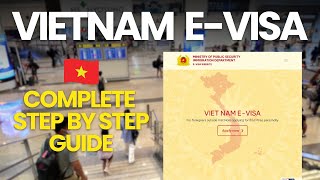
For most travelers visiting Da Nang in 2026, the primary visa requirement is the 90-day e-visa, which can be obtained through the official government portal for a fee of $25 (single entry) or $50 (multiple entry). This digital visa is valid for entry at Da Nang International Airport and is the standard choice for tourists, digital nomads, and retirees scouting the city. Applicants must ensure their passport has at least six months of validity and two blank pages. While the process is streamlined, accuracy is critical; common errors such as mismatched middle names or incorrect date formats (DD/MM/YYYY) can lead to entry denials at the border.
For those looking beyond a three-month stay, Da Nang has become a focal point for Vietnam's new 10-year residency pathway (UD1 visa), specifically targeting foreign experts in high-tech sectors like AI and semiconductors. This shift reflects the city's growth as a tech hub, offering a more stable alternative to the traditional cycle of visa runs. Whether you are arriving for a short holiday at My Khe Beach or planning a long-term relocation to the Son Tra area, understanding the specific entry port requirements and registration laws is essential for a smooth stay in Central Vietnam.
The 90-Day E-Visa and Entry Logistics
The 90-day e-visa remains the most accessible route for international visitors. In 2026, the application process is entirely digital, requiring a high-quality passport scan and a digital photo with a white background. It is highly recommended to apply at least 7 to 10 days before your flight to Da Nang International Airport to account for processing delays or public holidays like Tet, during which government offices close for over a week. Travelers must print a physical color copy of their approved e-visa, as digital versions are often not accepted by airline check-in counters or immigration officers.
Long-Term Residency and the 10-Year Visa
A significant update for 2026 is the introduction of the UD1 visa, a 10-year residency card designed for senior managers, investors, and experts in strategic industries. Da Nang is a primary beneficiary of this policy, aiming to attract global talent to its growing digital infrastructure. Unlike the standard tourist visa, this residency card includes family members and significantly reduces the "paperwork friction" that previously defined the expat experience in Vietnam. For those not in high-tech sectors, long-term stays still typically require a Work Permit or a Temporary Residence Card (TRC) through local employment or business investment.
Managing Visa Runs from Da Nang
For digital nomads and retirees on tourist visas, the "visa run" is a standard part of life. From Da Nang, the most common land route is the Lao Bao border crossing into Laos, which involves a roughly 6-hour bus ride each way. Alternatively, many expats opt for short flights to regional hubs like Bangkok, Kuala Lumpur, or Singapore. It is important to note that you cannot apply for a new e-visa while physically inside Vietnam; you must be abroad when the new visa is issued. Experienced residents often recommend building a 3-4 day buffer before your current visa expires to avoid heavy fines, which have increased to approximately $1,520 for significant overstays in 2026.
Mandatory Local Registration
Recent enforcement changes require all foreigners to be registered with the local police within 24 hours of arrival at their accommodation. Whether you are staying in a luxury resort in My An or a studio apartment in Hai Chau, your host or landlord must report your passport details via the online immigration portal. Failure to ensure this registration is completed can lead to complications during visa extensions or when attempting to leave the country. Always ask your landlord for proof of registration (the "blue book" or digital confirmation) to ensure your stay remains legal.
Frequently Asked Questions
Can I get a visa on arrival at Da Nang Airport?
In 2026, the traditional 'visa on arrival' has largely been replaced by the e-visa system. You must apply online and receive your approval letter before landing in Da Nang. Only those with specific invitation letters for business or emergency purposes can obtain a physical visa at the airport counter.
How long does it take to process a Vietnam e-visa for Da Nang?
Standard processing takes 3 to 5 business days. However, it is advised to apply at least 10 days in advance, especially during peak seasons or near the Tet holiday (February), when government offices are closed.
What is the best way to do a visa run from Da Nang?
The most affordable method is a bus trip to the Lao Bao (Laos) land border. For more comfort, many expats take a low-cost flight to Thailand or Malaysia, staying for a few days while waiting for their next 90-day e-visa to be approved.
Are there specific visa requirements for Indian citizens visiting Da Nang?
Indian citizens are eligible for the 90-day e-visa. They must provide a passport scan and a digital photo with a high facial match percentage (at least 80%) to avoid rejection. The fee is $25 for a single-entry tourist visa.